
01

Banff in January

Book Banff

Book Banff National Park Adventures and Attractions. Banff National Park's towering peaks and beautiful meadows make it among Canada's most incredible holiday areas. Plan your Canadian Rockies vacation and Book Banff's most popular attractions.
Book Banff National Park Book Banff
Banff National Park Wildlife

02

Banff National Park

Columbia Icefield Tour & Glacier Skywalk

Columbia Icefield Tour including the Glacier Skywalk from Icefield Glacier Discovery Centre. Discover the awe-inspiring mountain scenery and massive glaciers of Alberta's Rocky Mountain region on this Columbia Icefields tour.
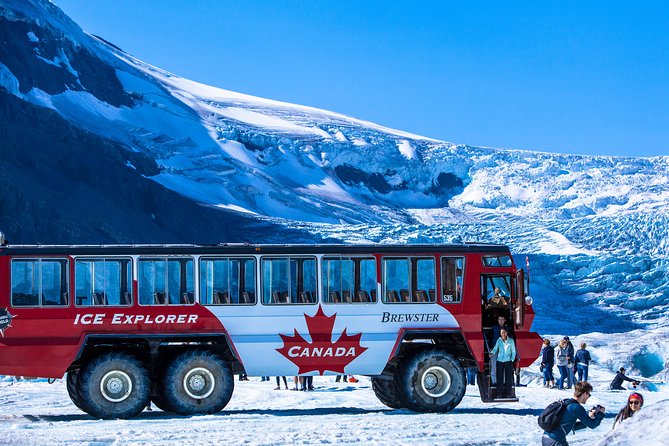
Jasper Columbia Icefield Tour & Glacier Skywalk
Book Glacier Skywalk and Athabasca Glacier Tour Jasper Columbia Icefield Home
Jasper Wildlife Tour Videos

03

Banff in January

Banff Gondola Ride Admission

The Popular Banff Gondola provides visitors with an amazing scenic ride to the summit of Sulphur Mountain, offering panoramic views of the Canadian Rockies and the Bow Valley.
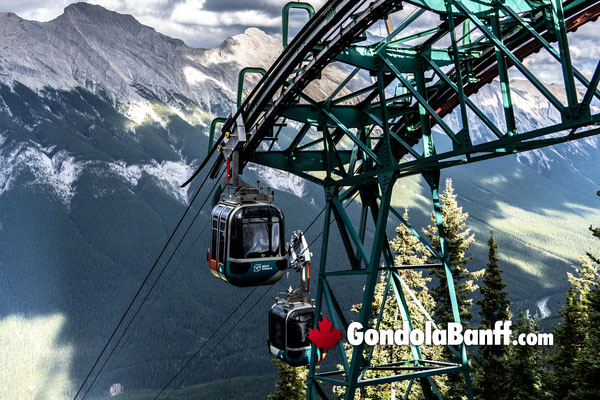
Banff Gondola at Sulphur Mountain
*Purchasing Gondola Tickets in Advance is Recommended. Book the Banff Gondola Banff Gondola Home
Banff National Park Wildlife

January in Banff National Park

January is deep winter in Banff. Snow coverage is consistent across the valley and alpine, temperatures are often well below freezing, and daylight gradually begins to increase following the solstice.


Canadian Rockies Winter Wildlife Tour - Banff in April

Book Banff's Wildlife Tour


Things to Do in Banff During January

January is deep winter in Banff. Snow coverage is consistent across the valley and alpine, temperatures are often well below freezing, and daylight gradually begins to increase following the solstice. The atmosphere is crisp, quiet between holiday peaks, and highly focused on winter recreation. Clear, cold days often deliver exceptional mountain visibility, while snowfall events refresh ski terrain and forest trails.

Banff Downhill Skiing & January Snowboarding

January is prime season for sustained winter conditions.
Banff Sunshine Village and Lake Louise Ski Resort operate at near-full terrain, weather permitting. Cold temperatures preserve snow quality, and mid-week visits typically offer shorter lift lines compared to peak holiday periods.
Snowfall patterns vary annually, but January commonly delivers consistent refresh cycles that improve off-piste and bowl conditions. Proper cold-weather layering is essential, particularly during morning lift rides.

January Cross-Country Skiing & Snowshoeing in Banff

Nordic skiing is highly active in January. Groomed trail systems in and around the Banff townsite provide options ranging from beginner loops to fitness-oriented routes. Snowpack is generally stable by mid-winter, offering reliable glide conditions.
Snowshoeing trails through forested areas and around frozen lakes provide quieter alternatives to alpine skiing. Packed routes are accessible, though fresh snowfall can deepen trail surfaces. Insulated boots and gaiters are recommended.

Banff's Frozen Lakes & January Winter Landscapes

By January, lakes are fully frozen and snow-covered.
Lake Louise becomes a broad winter landscape framed by snowbound peaks. Maintained walking paths around the shoreline offer accessible exploration, though lake-ice activities should only occur where conditions are confirmed safe.
Lake Minnewanka transforms into a quiet, expansive frozen corridor. The surrounding drive offers stark, wind-sculpted snow formations and minimal traffic compared to summer.
Low-angle winter light enhances photography, particularly during sunrise and late afternoon.

Banff Gondola & January Summit Conditions

The Banff Gondola operates throughout winter, providing direct access to panoramic views atop Sulphur Mountain. January often delivers clear, high-contrast visibility after cold fronts pass.
Summit boardwalks are snow-covered, and wind chill can be extreme. Face protection and thermal layering are necessary for extended time outdoors.

Banff Hot Springs & January Winter Relaxation

The Banff Upper Hot Springs is especially appealing during January's cold temperatures. Steam rising from the mineral pool against frigid mountain air defines the mid-winter experience.
Indoor cultural attractions, cafés, and restaurants provide warm respite after outdoor activities. January's calmer tourism window allows for easier reservations compared to holiday weeks.

January Wildlife Viewing in Banff

Wildlife sightings are less frequent than warmer months, but elk and deer remain visible in valley areas. Animals conserve energy during winter; maintaining distance is important to avoid stress during harsh conditions.

Practical Considerations

Expect prolonged sub-zero temperatures; insulated outerwear is mandatory.
Winter tires are essential for all mountain driving.
Daylight remains limited; plan outdoor activities during peak light hours.
Monitor avalanche forecasts if venturing into backcountry terrain.
January in Banff offers a focused winter environment: reliable snowpack, cold stable conditions, expansive frozen landscapes, and a quieter mountain-town rhythm suited to visitors prioritizing winter sport and alpine solitude.

Banff Gondola During January

January is one of the best months to experience the Banff Gondola after dark. Evening visits feature illuminated mountain scenery and a peaceful atmosphere, with the lights of Banff glowing far below. Depending on the season's programming, special winter events and light displays may add another layer to the experience.
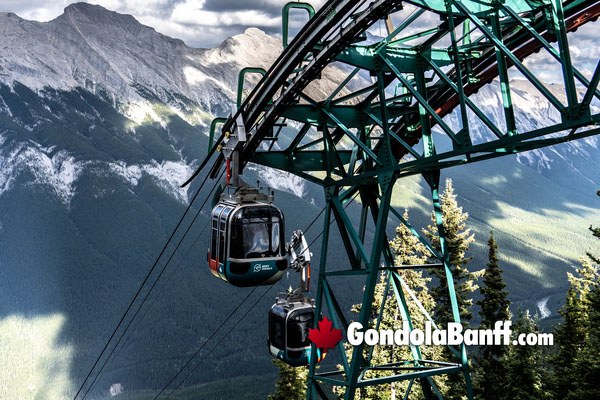
Banff Gondola During January

Banff Gondola During January

January transforms the Banff Gondola into one of the most memorable winter experiences in the Canadian Rockies. As the gondola climbs the forested slopes of Sulphur Mountain, visitors enjoy sweeping views of snow-covered peaks, frozen valleys, and the Bow River winding through the landscape below. Clear winter days often provide exceptional visibility, making January an excellent time for mountain photography.

The summit offers a completely different atmosphere than summer. The elevated boardwalk to Sanson's Peak is covered in snow and ice but remains open when conditions permit, allowing visitors to experience a peaceful alpine environment surrounded by dramatic winter scenery. The quiet, crisp mountain air and sparkling snow create an unforgettable setting, especially in the morning when the mountains are bathed in soft light.

Inside the upper terminal, visitors can warm up while enjoying panoramic mountain views through large windows. Restaurants, cafés, and comfortable seating areas provide a cozy escape from the cold, making it easy to spend several hours at the summit. Watching snowstorms roll through the surrounding peaks while staying warm indoors is part of the unique winter appeal.

January is also one of the best months to experience the Banff Gondola after dark. Evening visits feature illuminated mountain scenery and a peaceful atmosphere, with the lights of Banff glowing far below. Depending on the season's programming, special winter events and light displays may add another layer to the experience.

Temperatures at the summit are significantly colder than in the town of Banff, often with stronger winds. Visitors should dress in warm winter layers, including insulated jackets, hats, gloves, and winter boots with good traction. Even short walks outside can feel much colder due to wind chill.

Wildlife is occasionally visible from the gondola or summit, particularly mule deer and elk in the lower valleys. While bears spend most of January in hibernation, visitors may also spot mountain birds such as ravens, Clark's nutcrackers, or gray jays soaring above the snowy landscape.

January is an excellent time for photographers. Sunrise and sunset cast warm colors across the snow-covered mountains, while clear nights occasionally reveal brilliant stars above the Rockies. Fresh snowfall often creates postcard-perfect scenes with frosted evergreen forests and brilliant white mountain ridges.

Most visitors spend between two and four hours enjoying the gondola ride, scenic viewpoints, summit boardwalk, interpretive exhibits, dining, and gift shop. The Banff Gondola operates throughout the winter, making January one of the best months to experience the beauty, tranquility, and dramatic alpine scenery of Banff National Park without the large crowds of summer. Banff Gondola

Jasper Columbia Icefields in January

Although January offers fewer visitor services than summer, it rewards travelers with remarkable solitude. Many viewpoints are quiet, allowing visitors to experience one of North America's largest icefields in a peaceful setting. For those seeking dramatic winter scenery and one of the most iconic landscapes in the Canadian Rockies, the Columbia Icefield in January delivers an unforgettable adventure.
Jasper Columbia Icefields in January

Jasper Columbia Icefields in January

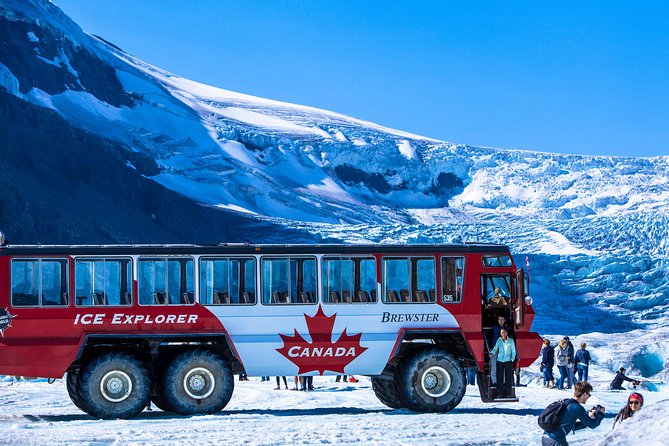
January is one of the most spectacular times to visit the Columbia Icefield. The Athabasca Glacier and surrounding peaks are blanketed in deep snow, creating an expansive white landscape that stretches across the Continental Divide. The frozen environment feels remote and pristine, offering a completely different experience from the busy summer season.

While the Columbia Icefield remains accessible year-round by driving the Icefields Parkway, the main glacier attractions operate differently in winter. The Ice Explorer glacier tours and the Glacier Skywalk are typically closed for the season, as heavy snow and harsh weather make operations unsafe. Instead, January visitors come primarily to admire the glacier from roadside viewpoints and experience the dramatic winter scenery.

The drive to the Columbia Icefield is often one of the highlights of a January visit. Snow-covered mountains, frozen waterfalls, ice-covered rivers, and wildlife sightings make every kilometre along the Icefields Parkway memorable. Clear winter mornings frequently provide crisp mountain views, while fresh snowfall transforms the landscape into a true alpine wilderness.

The Athabasca Glacier remains impressive even without stepping onto the ice. From the viewing areas near the Discovery Centre, visitors can appreciate the immense scale of the glacier flowing between towering mountain peaks. The glacier's blue ice, snow-covered crevasses, and surrounding icefields create one of the most dramatic winter scenes in the Canadian Rockies.

Weather conditions in January are severe. Temperatures commonly fall well below freezing, and strong winds can make it feel even colder. Visitors should wear insulated winter clothing, waterproof boots with good traction, hats, gloves, and multiple layers. Conditions can change rapidly, with snowstorms occasionally reducing visibility along the Icefields Parkway.

Driving requires extra preparation during the winter months. Roads are maintained but can become snow-packed or icy, especially after storms. Winter tires are essential, and travelers should carry extra warm clothing, food, water, and emergency supplies in case of changing weather or temporary road delays.

Wildlife can often be seen along the Icefields Parkway during January. Mountain goats frequently gather on rocky slopes, while bighorn sheep, elk, deer, coyotes, foxes, and occasionally wolves may be spotted throughout the region. Animal sightings are often easier in winter because many species stand out clearly against the snow.

Photography opportunities are outstanding throughout January. Fresh snowfall, brilliant blue skies, frost-covered mountain peaks, and the contrast between white snow and ancient glacier ice create unforgettable images. Early morning and late afternoon provide especially beautiful lighting as the low winter sun casts long shadows across the frozen landscape.

Although January offers fewer visitor services than summer, it rewards travelers with remarkable solitude. Many viewpoints are quiet, allowing visitors to experience one of North America's largest icefields in a peaceful setting. For those seeking dramatic winter scenery and one of the most iconic landscapes in the Canadian Rockies, the Columbia Icefield in January delivers an unforgettable adventure. Jasper Columbia Icefields

Columbia Icefields Glacier Skywalk During January

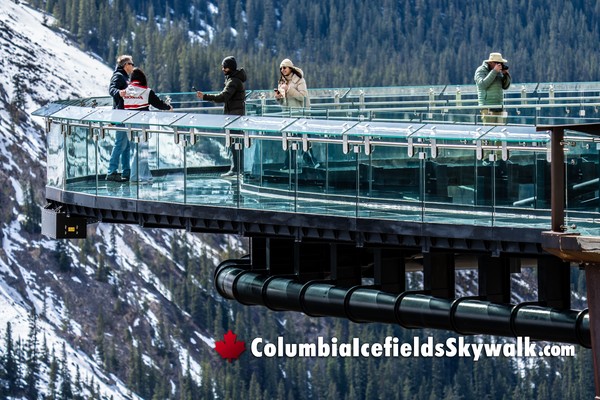
Although you cannot walk onto the glass observation platform in January, the surrounding region remains one of the most impressive winter destinations in Banff and Jasper National Parks. The combination of glaciers, snow-covered mountains, frozen rivers, and peaceful wilderness makes the drive through this section of the Icefields Parkway an unforgettable winter experience.
Columbia Icefields Glacier Skywalk During January

Columbia Icefields Glacier Skywalk During January

The Columbia Icefield Skywalk is typically closed throughout January as part of its winter seasonal shutdown. Heavy snowfall, ice accumulation, and extreme weather conditions make it unsafe to operate the glass-floored observation platform during the coldest months of the year. Visitors planning a January trip should expect the attraction to be unavailable until the spring operating season begins.

Although the Skywalk itself is closed, the surrounding Icefields Parkway remains one of the most spectacular winter drives in the Canadian Rockies. The journey to the Skywalk area passes frozen waterfalls, towering snow-covered peaks, glacier-fed valleys, and endless alpine scenery. Many travelers still stop at roadside viewpoints to admire the dramatic landscape surrounding the Sunwapta Valley.

The views from the highway near the Skywalk are still breathtaking during January. Massive cliffs, deep canyons, and snow-covered forests create a dramatic winter setting, while the surrounding mountains are often coated in fresh snow. On clear days, the crisp winter air provides exceptional visibility across the surrounding ranges.

Wildlife sightings remain possible throughout the area during winter. Mountain goats are commonly seen on steep rocky slopes, while bighorn sheep, elk, deer, coyotes, foxes, and occasionally wolves may be spotted along the Icefields Parkway. The quiet winter season often makes wildlife easier to observe as animals move through the snowy landscape.

January weather is extremely cold, with temperatures frequently well below freezing and strong winds common along exposed viewpoints. Visitors stopping near the Skywalk should dress in insulated winter clothing, waterproof boots with good traction, hats, gloves, and multiple warm layers to stay comfortable while enjoying the scenery.

Although you cannot walk onto the glass observation platform in January, the surrounding region remains one of the most impressive winter destinations in Banff and Jasper National Parks. The combination of glaciers, snow-covered mountains, frozen rivers, and peaceful wilderness makes the drive through this section of the Icefields Parkway an unforgettable winter experience. Columbia Icefields Glacier Skywalk

Golden Skybridge in January

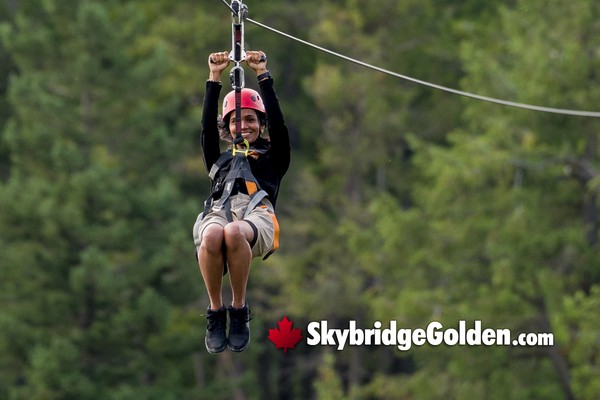
Although January is not the time to experience the Golden Skybridge itself, it is an excellent month to discover Golden's winter recreation opportunities. Ski resorts, snowy mountain landscapes, peaceful forests, and the quiet atmosphere of the Columbia Valley make the region an appealing destination for travelers seeking a classic Canadian Rockies winter experience.
Golden Skybridge in January

Golden Skybridge in January

January is one of the quietest times of year in Golden, British Columbia, and the Golden Skybridge is typically closed for the winter season. Heavy snowfall, icy conditions, and the challenges of maintaining outdoor adventure attractions during the coldest months mean visitors should not expect access to the suspension bridges or most of the park's activities.

Although the attraction is closed, the surrounding Columbia Valley and Purcell Mountains remain spectacular during January. Snow blankets the forests and mountain slopes, creating beautiful winter scenery that can be enjoyed while exploring the Golden area. The nearby mountains are popular for skiing, snowboarding, snowshoeing, cross-country skiing, and snowmobiling, making Golden an excellent winter destination even without visiting the Skybridge.

The dramatic canyon crossed by the Golden Skybridge becomes even more striking in winter. Snow-covered cliffs, frozen rock faces, and ice formations create a completely different landscape from the lush greenery of summer. While these views can sometimes be appreciated from nearby public areas, visitors cannot access the suspension bridges or park facilities during the seasonal closure.

Wildlife remains active throughout the region during January. Elk, deer, bighorn sheep, mountain goats, and a variety of winter birds are commonly seen around Golden. Tracks in the fresh snow often reveal the presence of coyotes, foxes, and other wildlife that are more difficult to spot during warmer months.

Temperatures in January are cold, particularly during mornings and evenings. Visitors should dress in insulated winter clothing, waterproof boots, hats, gloves, and multiple warm layers if exploring the surrounding area. Snow-covered roads and changing mountain weather also make winter driving preparation essential.

Although January is not the time to experience the Golden Skybridge itself, it is an excellent month to discover Golden's winter recreation opportunities. Ski resorts, snowy mountain landscapes, peaceful forests, and the quiet atmosphere of the Columbia Valley make the region an appealing destination for travelers seeking a classic Canadian Rockies winter experience. Golden Skybridge

Banff Lake Minnewanka Boat Cruise in January

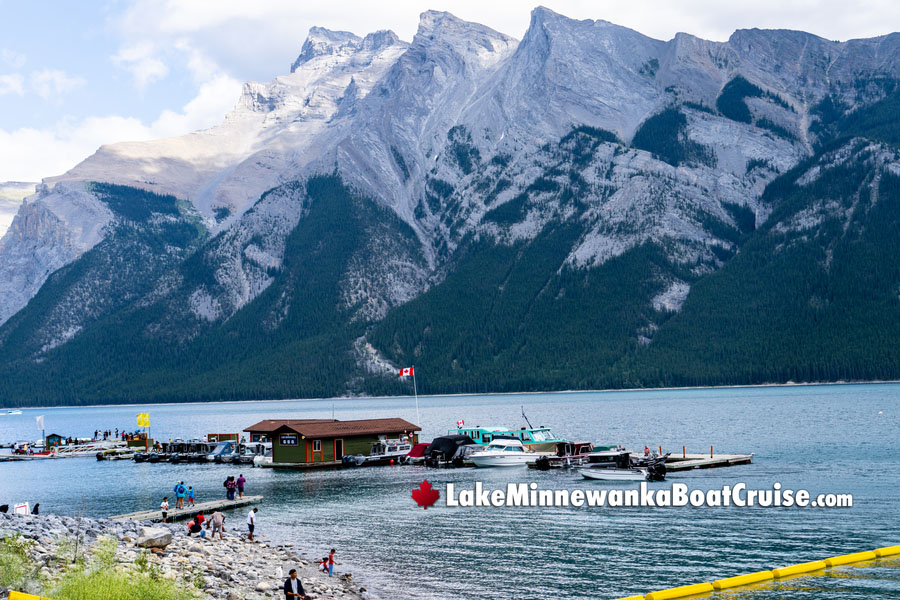
Although you cannot experience the famous Lake Minnewanka Boat Cruise in January, the lake itself remains well worth visiting. The combination of frozen water, towering mountain scenery, quiet winter landscapes, and excellent wildlife viewing makes it one of Banff National Park's most rewarding cold-weather destinations.
Lake Minnewanka Boat Cruise in January

Banff Lake Minnewanka Boat Cruise in January

The Lake Minnewanka Boat Cruise is not available in January, as the lake freezes over and the boating season ends well before winter arrives. The cruise normally operates during the warmer months when the lake is free of ice, so visitors planning a January trip should expect the docks, tour boats, and cruise facilities to be closed.

Even without the boat cruise, Lake Minnewanka is one of Banff National Park's most beautiful winter destinations. The frozen lake stretches for more than 20 kilometres beneath snow-covered mountain peaks, creating a dramatic alpine landscape. Depending on winter conditions, parts of the shoreline may be covered with snow while other sections reveal fascinating wind-swept ice formations.

A visit to Lake Minnewanka in January offers a peaceful atmosphere that is very different from the busy summer season. With far fewer visitors, it is an ideal place to enjoy quiet walks along the lakeshore, take in panoramic mountain views, and experience the stillness of the Canadian Rockies in winter.

The area is popular for winter recreation when conditions allow. Visitors often enjoy walking the shoreline, snowshoeing on nearby trails, wildlife viewing, and winter photography. The surrounding forests and mountains provide a beautiful backdrop for capturing snowy landscapes, frozen shoreline ice, and reflections on clear winter days.

Wildlife remains active around Lake Minnewanka throughout January. Elk, deer, bighorn sheep, coyotes, foxes, and a variety of winter birds are regularly seen in the area. While bears spend most of the winter in hibernation, visitors should still remain aware of their surroundings and give all wildlife plenty of space.

January temperatures can be extremely cold, especially when strong winds blow across the frozen lake. Dressing in insulated layers, a warm winter jacket, waterproof boots with good traction, a hat, and gloves will make exploring the lakeshore much more comfortable.

Although you cannot experience the famous Lake Minnewanka Boat Cruise in January, the lake itself remains well worth visiting. The combination of frozen water, towering mountain scenery, quiet winter landscapes, and excellent wildlife viewing makes it one of Banff National Park's most rewarding cold-weather destinations. Banff Lake Minnewanka Boat Cruise

Jasper SkyTram in January

While the Jasper SkyTram itself is unavailable during January, the surrounding park offers an authentic Canadian Rockies winter experience filled with peaceful scenery, abundant wildlife, and countless opportunities to enjoy one of Canada's most spectacular mountain landscapes.
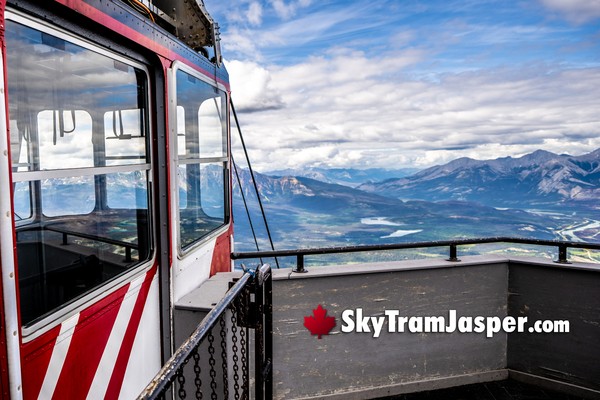
Jasper SkyTram Opens in January

Jasper SkyTram in January

The Jasper SkyTram is typically closed throughout January as part of its annual winter shutdown. Heavy snowfall, extreme cold, and the challenging alpine conditions on Whistlers Mountain make it impractical to operate the tram during the coldest months of the year. Visitors planning a January trip should expect the SkyTram, upper terminal, and summit facilities to be unavailable.

Although the tram is closed, Jasper National Park remains an outstanding winter destination. Snow-covered mountain ranges, frozen rivers, and quiet forests create spectacular scenery throughout the park. Many visitors spend January exploring scenic drives, winter hiking trails, cross-country ski routes, and wildlife viewing areas around the Jasper townsite.

Whistlers Mountain itself is transformed into a rugged winter landscape, with deep snow covering the alpine slopes above the tree line. While the summit cannot be reached by tram, it provides a dramatic backdrop to the town of Jasper and is especially beautiful after fresh snowfall.

January is one of the best months for wildlife viewing around Jasper. Elk are commonly seen throughout the townsite and nearby valleys, while mule deer, bighorn sheep, mountain goats, coyotes, wolves, foxes, and moose are occasionally spotted throughout the park. The quiet winter season often makes animal sightings even more memorable.

Winter weather can be severe, with temperatures frequently dropping well below freezing. Visitors should wear insulated winter clothing, waterproof boots, hats, gloves, and multiple warm layers. Road conditions can also change quickly after snowfall, so winter tires and careful driving are essential when exploring the park.

Although riding the SkyTram is not possible in January, visitors can still enjoy outstanding mountain views from numerous viewpoints around Jasper. Popular locations along Pyramid Lake Road, Patricia Lake, Maligne Valley, and the Athabasca River offer beautiful panoramas of snow-covered peaks without needing to ascend Whistlers Mountain.

For photographers, January presents excellent opportunities to capture pristine winter landscapes, frosted forests, frozen rivers, and brilliant mountain scenery. Clear mornings often feature crisp blue skies, while fresh snow creates postcard-worthy views throughout Jasper National Park.

While the Jasper SkyTram itself is unavailable during January, the surrounding park offers an authentic Canadian Rockies winter experience filled with peaceful scenery, abundant wildlife, and countless opportunities to enjoy one of Canada's most spectacular mountain landscapes. Jasper SkyTram

Maligne Lake Boat Cruise During January

Although the Maligne Lake Boat Cruise is closed in January, the area remains well worth visiting. The combination of frozen lake views, towering mountain scenery, abundant wildlife, and tranquil winter landscapes makes Maligne Lake one of Jasper National Park's most rewarding cold-weather destinations.
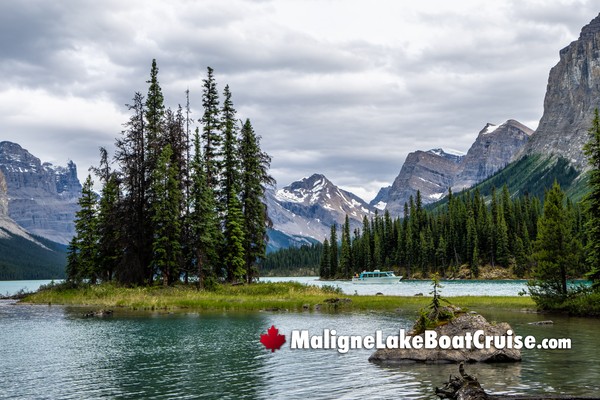
Maligne Lake Boat Cruise During January

Maligne Lake Boat Cruise During January

The Maligne Lake Boat Cruise is not available in January, as the lake is frozen and the boating season has ended for the winter. The cruise typically operates during the warmer months when the lake is free of ice, so visitors should expect the boats, docks, and cruise facilities to be closed throughout January.

Although the boat cruise is unavailable, Maligne Lake remains one of Jasper National Park's most breathtaking winter destinations. Surrounded by snow-covered mountain peaks and dense evergreen forests, the frozen lake offers a peaceful setting that feels completely different from the busy summer season. The quiet atmosphere makes January an ideal time to appreciate the area's natural beauty.

The famous Spirit Island cannot be reached during January. Since the island is accessible only by boat during the operating season, winter visitors must admire the lake from the shoreline near the day-use area and boat docks. Even without the cruise, the scenery is spectacular, with frozen waters stretching toward the towering peaks of the Queen Elizabeth Ranges.

The drive along Maligne Lake Road is often just as memorable as the destination itself. Snow-covered forests, frozen creeks, and mountain vistas create a classic Canadian Rockies winter landscape. Wildlife is frequently seen along the route, making the journey one of the highlights of a January visit.

Wildlife viewing is excellent during the winter months. Elk, mule deer, moose, bighorn sheep, coyotes, foxes, wolves, and a variety of winter birds may be spotted throughout the Maligne Valley. Visitors should always observe wildlife from a safe distance and avoid approaching animals.

January temperatures at Maligne Lake are typically very cold, with snow and icy conditions common throughout the area. Warm insulated clothing, waterproof winter boots, hats, gloves, and layered clothing are essential for anyone planning to spend time outdoors. Roads are maintained, but winter driving conditions can change quickly following snowfall.

The frozen shoreline and surrounding mountains create exceptional photography opportunities. Fresh snow, frosted trees, and reflections on sections of ice produce dramatic winter scenes, particularly during the soft light of early morning and late afternoon. The peaceful atmosphere also makes it easy to enjoy the landscape without the crowds found during the summer.

Although the Maligne Lake Boat Cruise is closed in January, the area remains well worth visiting. The combination of frozen lake views, towering mountain scenery, abundant wildlife, and tranquil winter landscapes makes Maligne Lake one of Jasper National Park's most rewarding cold-weather destinations. Maligne Lake Boat Cruise

January at Abraham Lake

Although Abraham Lake has no developed tourist facilities directly on its shoreline, its spectacular winter scenery and famous ice bubbles make January one of the very best times to visit. For travelers seeking a unique Canadian Rockies winter experience, few destinations are as memorable as standing on the crystal-clear ice surrounded by towering snow-covered mountains.
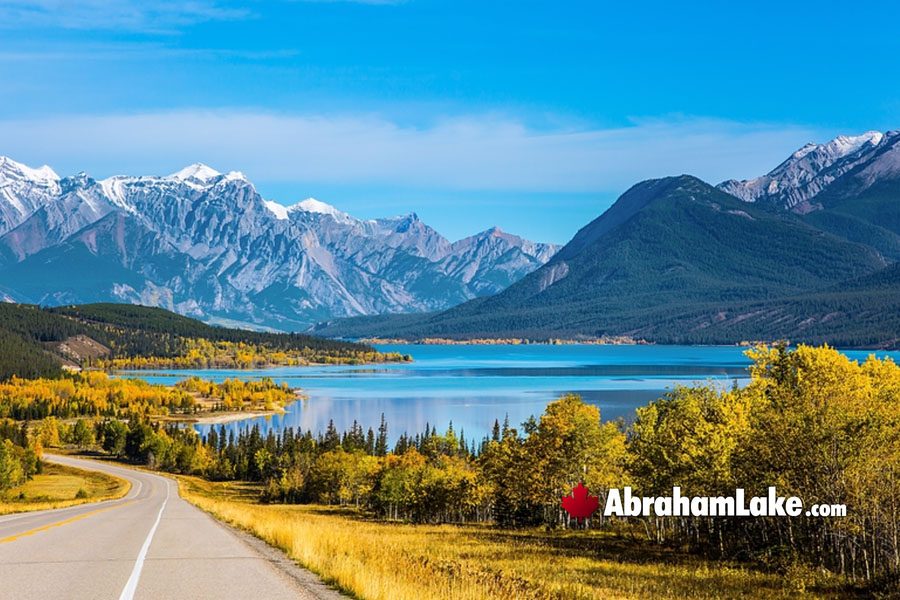
January at Abraham Lake

January at Abraham Lake

January is one of the best months to visit Abraham Lake and is considered peak season for its world-famous frozen methane ice bubbles. As the lake freezes solid during the coldest part of winter, thousands of methane bubbles become trapped beneath the crystal-clear ice, creating one of the most unique natural phenomena in the Canadian Rockies. The frozen lake attracts photographers and visitors from around the world hoping to witness this remarkable sight.

The surrounding landscape is equally impressive. Snow-covered peaks of the Front Ranges rise above the lake, while winds often sweep snow from the ice, leaving large sections beautifully clear. On sunny days, the combination of blue ice, white snow, and rugged mountains creates breathtaking scenery unlike anywhere else in Alberta.

Ice conditions vary throughout January. Early in the month, some areas may still be accumulating ice, while by mid to late January the lake often offers the clearest conditions for viewing the famous bubbles. Snowfall, strong winds, and changing temperatures can affect visibility from day to day, so every visit is slightly different.

Winter weather at Abraham Lake can be extremely harsh. Strong winds are common and often make temperatures feel much colder than the thermometer indicates. Visitors should wear insulated winter clothing, windproof outer layers, warm hats, gloves, and waterproof boots with good traction. The exposed shoreline offers little protection from the wind.

Safety is especially important when visiting the frozen lake. Ice thickness can vary depending on weather conditions, underwater springs, and changing water levels. Visitors should never assume the ice is safe everywhere and should exercise caution before venturing onto the lake. Staying informed about current conditions and avoiding questionable areas is always recommended.

January is also an excellent time for photography. Sunrise and sunset often produce brilliant colours across the mountains, while clear winter skies and transparent ice create incredible opportunities to capture the famous bubbles. On calm mornings, the surrounding peaks are reflected beautifully across smooth sections of ice.

Wildlife can also be seen throughout the area during winter. Bighorn sheep are commonly spotted along the roadside, while elk, deer, coyotes, foxes, and occasionally wolves may be seen in the surrounding valleys. Golden eagles and other birds of prey are sometimes visible soaring above the cliffs.

Although Abraham Lake has no developed tourist facilities directly on its shoreline, its spectacular winter scenery and famous ice bubbles make January one of the very best times to visit. For travelers seeking a unique Canadian Rockies winter experience, few destinations are as memorable as standing on the crystal-clear ice surrounded by towering snow-covered mountains. Abraham Lake

Athabasca Falls in January

Athabasca Falls is one of the easiest major waterfalls in Jasper National Park to visit during winter thanks to its roadside location and maintained viewing areas. Even though the landscape is covered in snow and ice, the powerful flow of the Athabasca River ensures that every January visit offers an unforgettable display of the raw beauty and power of the Canadian Rockies.
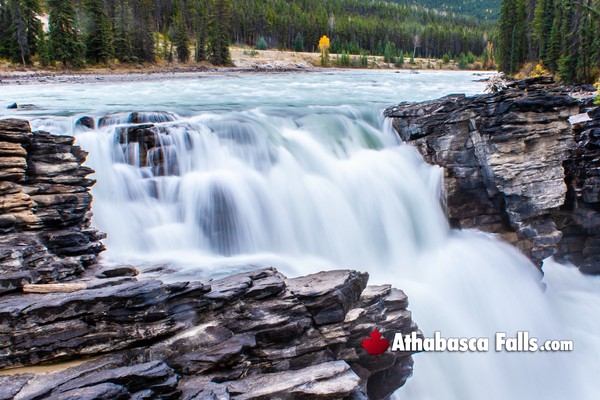
Athabasca Falls During January

Athabasca Falls During January

January transforms Athabasca Falls into one of the most dramatic winter attractions in Jasper National Park. While the powerful Athabasca River continues to flow year-round, much of the surrounding landscape becomes covered in snow and ice, creating spectacular frozen formations around the canyon. The contrast between rushing turquoise water and towering walls of ice makes the falls especially impressive during the heart of winter.

Unlike many waterfalls that freeze almost completely, Athabasca Falls continues to thunder through its narrow limestone gorge even in the coldest weather. Thick sheets of ice form along the canyon walls, while frozen spray creates intricate ice sculptures on the surrounding rocks and trees. The combination of moving water and frozen landscapes creates a scene that changes throughout the winter as temperatures fluctuate.

The viewing platforms and maintained pathways usually remain accessible during January, allowing visitors to enjoy several different perspectives of the falls. However, snow and ice can make walking surfaces slippery, so winter boots with good traction or ice cleats are highly recommended. Visitors should remain behind barriers and avoid climbing over railings or venturing onto icy rocks near the river.

January is one of the quietest times to visit Athabasca Falls. With far fewer visitors than during the summer months, the area offers a peaceful atmosphere where the sounds of rushing water echo through the frozen canyon. Early mornings often provide the most tranquil experience and the best lighting for photography.

The surrounding forest is equally beautiful in winter. Snow-covered evergreens frame the falls, while frost-covered branches and frozen riverbanks add to the scenery. On sunny days, sunlight reflecting off the ice creates brilliant blue and white colours that make the landscape especially photogenic.

Wildlife is occasionally seen near Athabasca Falls during January. Elk, mule deer, coyotes, foxes, and bighorn sheep are sometimes spotted in the surrounding area, while ravens and gray jays remain active throughout the winter. Visitors should always observe wildlife from a safe distance and never feed the animals.

Temperatures at Athabasca Falls can be extremely cold, particularly when combined with the mist generated by the waterfall and the winter winds. Dressing in insulated layers, a warm winter jacket, hat, gloves, and waterproof boots will help ensure a comfortable visit.

Athabasca Falls is one of the easiest major waterfalls in Jasper National Park to visit during winter thanks to its roadside location and maintained viewing areas. Even though the landscape is covered in snow and ice, the powerful flow of the Athabasca River ensures that every January visit offers an unforgettable display of the raw beauty and power of the Canadian Rockies. Athabasca Falls

Banff Bow Lake in January

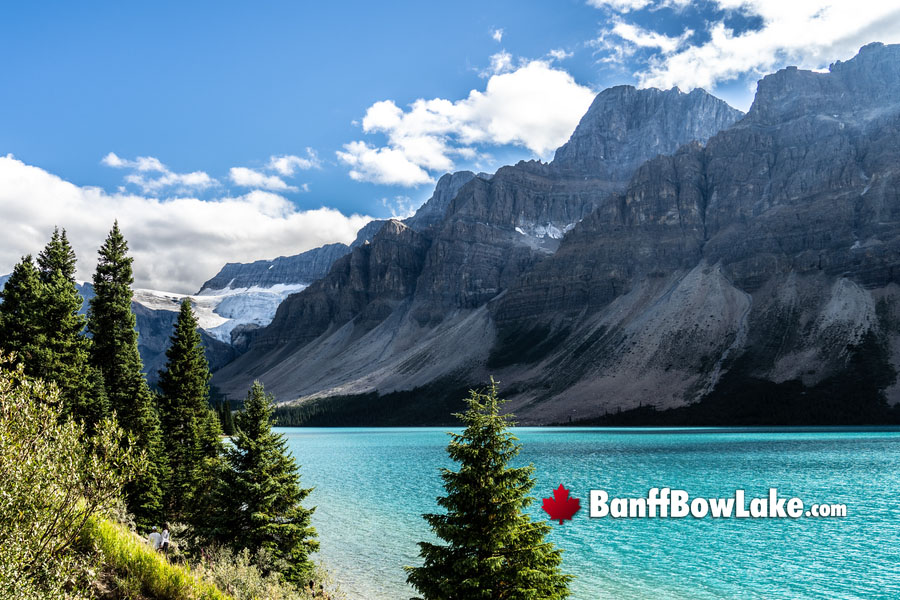
Although many summer services around Bow Lake are closed during January, the natural beauty of the area more than makes up for it. The frozen lake, spectacular mountain scenery, peaceful atmosphere, and outstanding photography opportunities make Bow Lake one of the most rewarding winter stops along the Icefields Parkway.
Banff Bow Lake in January

Banff Bow Lake in January

January is one of the most beautiful months to visit Bow Lake, as the landscape is transformed into a peaceful winter wonderland. The lake is typically frozen and blanketed in snow, while the surrounding peaks, including Crowfoot Mountain and Bow Peak, are covered in fresh snow. The combination of frozen water, towering mountains, and quiet wilderness creates a breathtaking alpine setting.

The frozen lake offers a completely different experience from summer. Instead of brilliant turquoise water, visitors are greeted by a vast expanse of snow and ice stretching across the valley. On clear days, the bright winter sun highlights the rugged mountain ridges, while early mornings often feature frost-covered trees and soft golden light across the landscape.

Bow Lake is one of the quieter destinations along the Icefields Parkway during January. Visitor numbers are low, allowing you to enjoy the scenery without the crowds. The peaceful atmosphere makes it an excellent place to stop, admire the mountain views, and experience the solitude of the Canadian Rockies in winter.

The lakeshore is a favourite destination for winter photography. Snow-covered forests, frozen shoreline ice, and dramatic mountain backdrops create stunning compositions throughout the day. After fresh snowfall, the untouched landscape provides classic Canadian Rockies winter scenes, while sunrise and sunset often paint the surrounding peaks in shades of pink, orange, and gold.

Wildlife can occasionally be seen around Bow Lake during January. Bighorn sheep are sometimes spotted on nearby slopes, while deer, elk, coyotes, foxes, and mountain birds may also be seen along the Icefields Parkway. Winter conditions often make wildlife easier to spot against the snow-covered terrain.

January weather at Bow Lake is typically cold, with temperatures well below freezing and occasional strong winds sweeping through the valley. Warm insulated clothing, waterproof winter boots with good traction, hats, gloves, and layered clothing are essential for staying comfortable while exploring the area.

Road conditions along the Icefields Parkway can change quickly during winter. Snow, ice, and reduced visibility may occur after storms, so winter tires and careful driving are essential. Before traveling, visitors should always check current road conditions and weather forecasts to ensure a safe journey.

Although many summer services around Bow Lake are closed during January, the natural beauty of the area more than makes up for it. The frozen lake, spectacular mountain scenery, peaceful atmosphere, and outstanding photography opportunities make Bow Lake one of the most rewarding winter stops along the Icefields Parkway. Banff Bow Lake

Banff Wildlife During January

Wildlife is generally easiest to observe during the early morning and late afternoon, when animals are most active. Driving slowly through river valleys, open meadows, and along the Icefields Parkway often provides the best opportunities for sightings. Visitors should always remain inside or close to their vehicles when appropriate, use binoculars or a zoom lens for viewing, and give every animal plenty of space to behave naturally.
Banff Wildlife During January

Banff Wildlife During January

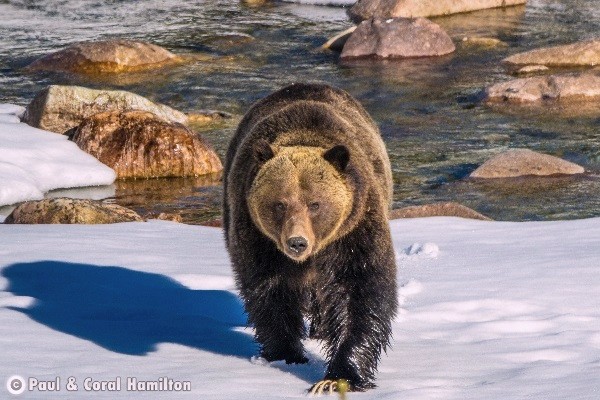
January is one of the best months for wildlife viewing in the Canadian Rockies. The snow-covered landscape makes many animals easier to spot, and with fewer visitors in the national parks, wildlife often spends more time feeding in open valleys and along roadsides. While some species remain active throughout the winter, others reduce their activity or spend the season in hibernation.

Elk are among the most commonly seen animals in January, particularly around Banff, Jasper, and the Bow Valley. Large herds often graze in open meadows, golf courses, and river valleys where snow is shallower and food is more accessible. Bull elk have shed their antlers by this time, while cows and young elk remain together in winter groups.

Bighorn sheep are also frequently observed during January. They are well adapted to harsh mountain winters and often gather on windswept slopes where exposed grasses remain available. Their light-colored coats stand out against the rocky cliffs and snowy terrain, making them relatively easy to spot.

Mountain goats remain active on steep alpine cliffs throughout the winter. Their thick white coats provide excellent insulation, allowing them to thrive in cold conditions. Visitors traveling along the Icefields Parkway often have the best chance of seeing mountain goats perched high above the roadway.

Moose can occasionally be found in forested wetlands and willow-covered valleys, particularly around Jasper National Park. Winter forces them to browse on woody shrubs and young trees, and they are often seen standing quietly in snowy clearings.

Coyotes remain active all winter and are commonly seen hunting in open fields or traveling along roadsides. Their thick winter coats help them survive the cold, and their tracks are often visible crossing fresh snow. Red foxes are also active during January and are sometimes spotted searching for small mammals beneath the snow.

Wolves are among the most elusive predators in the Rockies but can occasionally be seen in January, especially in remote valleys and along the Icefields Parkway. Winter is an excellent time to detect their presence because their tracks are clearly visible in fresh snow, although actual sightings remain rare.

Gray wolves and cougars continue hunting throughout the winter but are seldom observed. These predators usually avoid developed areas and remain deep within forests and mountain valleys. Most visitors are far more likely to see evidence of their presence than the animals themselves.

Black bears and grizzly bears spend most of January in their winter dens. While rare mid-winter sightings are possible during unusually warm periods, bears are generally inactive, making January one of the safest months for hiking with respect to bear encounters.

Birdlife remains surprisingly active despite the cold. Ravens, gray jays, Clark's nutcrackers, black-billed magpies, woodpeckers, chickadees, and bald or golden eagles can all be seen throughout the season. Many of these birds remain year-round and are well adapted to winter conditions.

Wildlife is generally easiest to observe during the early morning and late afternoon, when animals are most active. Driving slowly through river valleys, open meadows, and along the Icefields Parkway often provides the best opportunities for sightings. Visitors should always remain inside or close to their vehicles when appropriate, use binoculars or a zoom lens for viewing, and give every animal plenty of space to behave naturally. Canadian Rockies Wildlife Wildlife On Video

Camping in Banff During January

For travelers who enjoy winter landscapes and don't mind the cold, camping in Banff during January offers a peaceful and rewarding way to experience the Canadian Rockies. With proper preparation, it provides a memorable opportunity to wake up surrounded by snow-covered mountains in one of Canada's most spectacular national parks.
Camping in Banff During January

Camping in Banff During January

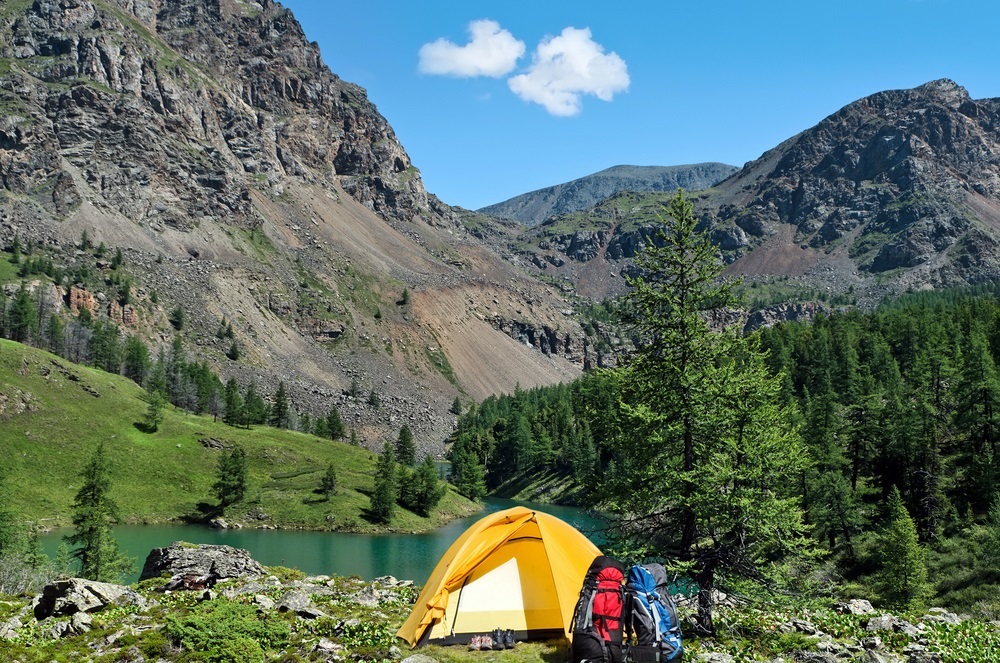
Camping in Banff during January is a true winter adventure and is best suited for visitors who are well prepared for cold-weather conditions. While many campgrounds close for the season, a limited number remain open, offering a unique opportunity to experience Banff National Park in one of its quietest and most peaceful seasons. Snow-covered forests, crisp mountain air, and star-filled skies create an unforgettable winter camping experience.

Most winter campers choose campgrounds that provide year-round services, where basic amenities such as heated washroom facilities and maintained access roads are available. These campgrounds serve as an excellent base for exploring nearby winter attractions, including Lake Louise, Johnston Canyon, Lake Minnewanka, and the Banff townsite.

Tent camping is possible in January but requires specialized winter camping equipment. A four-season tent, cold-weather sleeping bag, insulated sleeping pad, winter stove, and layered clothing are essential. Overnight temperatures frequently fall well below freezing, and snowfall can occur at any time, making proper preparation critical for both comfort and safety.

Many visitors prefer camping in heated RVs during January. Winterized recreational vehicles provide protection from the cold while still allowing campers to enjoy the beauty of the surrounding mountains. Campers using RVs should ensure their plumbing systems are protected from freezing temperatures and that they have an adequate supply of propane or other heating fuel.

One of the biggest rewards of winter camping is the peaceful atmosphere. Unlike the busy summer season, January campgrounds are quiet, allowing visitors to enjoy snow-covered forests, frozen rivers, and spectacular mountain scenery without large crowds. Clear winter nights often reveal brilliant stars above the Rockies, making evenings especially memorable.

January campers have easy access to many winter activities throughout Banff National Park. Snowshoeing, cross-country skiing, winter hiking, sightseeing, wildlife viewing, photography, and relaxing in Banff's cafés and restaurants are all popular ways to spend the day before returning to camp.

Wildlife remains active throughout the winter, and visitors may encounter elk, deer, bighorn sheep, coyotes, foxes, and a variety of winter birds near campgrounds and roadways. Although bears spend most of January in hibernation, campers should continue to store food properly and follow all wildlife safety guidelines.

Winter weather in Banff can change quickly, with heavy snowfall, strong winds, and extreme cold possible throughout January. Before setting out, visitors should monitor weather forecasts, check road conditions, and ensure they have emergency supplies, extra warm clothing, food, water, and a fully charged phone.

For travelers who enjoy winter landscapes and don't mind the cold, camping in Banff during January offers a peaceful and rewarding way to experience the Canadian Rockies. With proper preparation, it provides a memorable opportunity to wake up surrounded by snow-covered mountains in one of Canada's most spectacular national parks. Banff Camping

Hiking in January

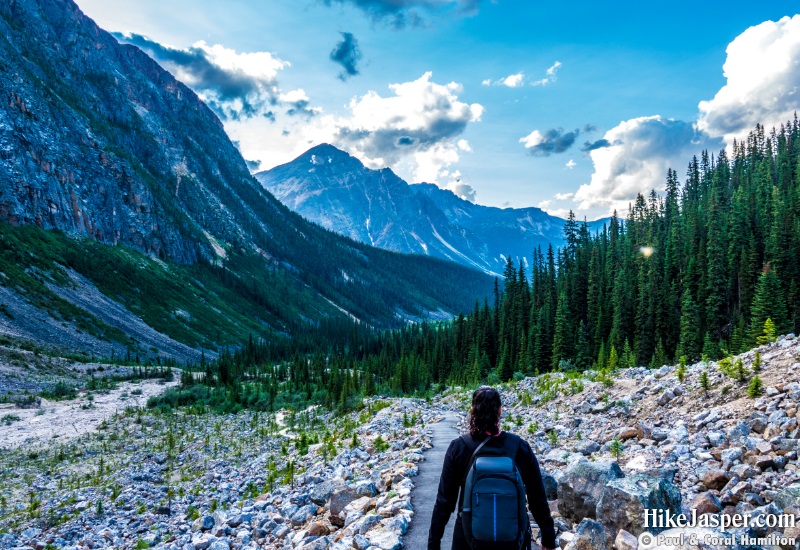
January is one of the most rewarding times to hike in Banff. Snow-covered forests, frozen rivers, quiet trails, and spectacular mountain scenery create a peaceful atmosphere that is rarely experienced during the busy summer months. With the right preparation and by choosing appropriate winter trails, hiking in Banff during January can be an unforgettable Canadian Rockies adventure.
Hiking in January

Hiking in January

January offers a completely different hiking experience in Banff National Park, with snow-covered forests, frozen waterfalls, and peaceful mountain landscapes replacing the busy trails of summer. While many high-elevation routes become inaccessible due to deep snow and avalanche danger, several lower-elevation trails remain popular and provide beautiful winter scenery.

One of the most visited winter hikes is Johnston Canyon, where the frozen waterfalls create towering blue ice formations along the canyon walls. The maintained trail and elevated catwalks make it one of the safest and most rewarding winter walks in the park. Icy conditions are common, so traction devices such as ice cleats are strongly recommended.

Easy trails around the Banff townsite, including the Bow River, Fenland Trail, Vermilion Lakes, and Cascade Ponds, are excellent choices during January. These routes offer outstanding mountain views and good opportunities to spot wildlife while remaining relatively accessible throughout the winter.

For hikers seeking a greater challenge, Tunnel Mountain remains a popular year-round destination. The trail often has packed snow and rewards visitors with panoramic views of Banff, the Bow Valley, Mount Rundle, and Cascade Mountain. Snow and ice can make the climb more demanding than it is in summer, so proper footwear is important.

Many higher alpine trails, including routes to mountain passes and summits, are not recommended during January because of avalanche hazards, deep snow, and rapidly changing weather. Visitors without avalanche training and specialized equipment should stay on established winter trails and avoid entering avalanche terrain.

Winter hiking requires additional preparation. Waterproof insulated boots, warm layered clothing, hats, gloves, and windproof outerwear are essential. Ice cleats or microspikes greatly improve traction on icy trails, while trekking poles can provide extra stability on snow-covered paths.

Daylight hours are much shorter in January, making early starts especially important. Temperatures can remain well below freezing throughout the day, and weather conditions can change quickly. Carrying extra warm clothing, food, water, a flashlight or headlamp, and a fully charged phone is recommended for every hike.

Wildlife is often easier to spot during winter. Elk, deer, bighorn sheep, coyotes, foxes, and a variety of birds are commonly seen on or near lower-elevation trails. Although bears are generally hibernating during January, hikers should continue to follow all wildlife safety practices and give animals plenty of space.

January is one of the most rewarding times to hike in Banff. Snow-covered forests, frozen rivers, quiet trails, and spectacular mountain scenery create a peaceful atmosphere that is rarely experienced during the busy summer months. With the right preparation and by choosing appropriate winter trails, hiking in Banff during January can be an unforgettable Canadian Rockies adventure. Hiking

Icefields Parkway During January

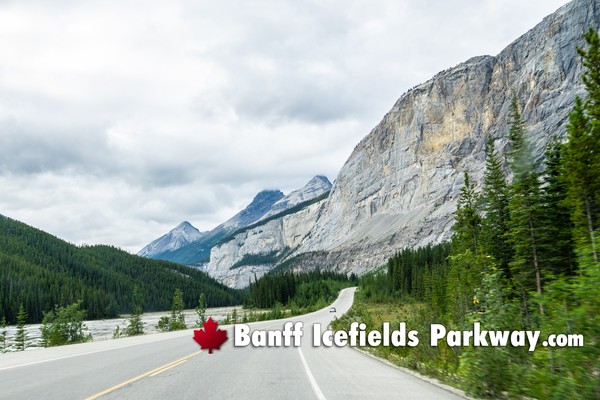
For travelers seeking solitude, dramatic scenery, and an authentic Canadian Rockies winter experience, the Icefields Parkway in January is unmatched. Although some seasonal attractions are closed, the combination of towering glaciers, frozen waterfalls, abundant wildlife, and peaceful mountain landscapes makes it one of Canada's most extraordinary winter drives.
Icefields Parkway During January

Icefields Parkway During January

January is one of the most spectacular times to drive the Icefields Parkway. The highway is transformed into a breathtaking winter corridor lined with snow-covered mountains, frozen waterfalls, glaciers, and vast forests. Every turn reveals dramatic alpine scenery, making the drive one of the most memorable winter road trips in the Canadian Rockies.

The winter landscape is remarkably peaceful compared to the busy summer season. Visitor numbers are much lower, allowing travelers to enjoy scenic viewpoints and roadside attractions without the crowds. Fresh snowfall often blankets the surrounding peaks, while clear winter days provide exceptional visibility across the mountain ranges.

Many of the Icefields Parkway's most famous landmarks remain accessible in January, including Bow Lake, Peyto Lake, Athabasca Falls, Sunwapta Falls, and the Columbia Icefield viewpoints. While seasonal attractions such as the Columbia Icefield Adventure and Glacier Skywalk are typically closed, the scenery itself is every bit as impressive during winter.

Frozen waterfalls are one of the highlights of a January drive. Athabasca Falls and Sunwapta Falls continue flowing beneath thick layers of ice, creating spectacular formations of frozen spray, towering icicles, and sculpted blue ice. These dramatic winter landscapes attract photographers from around the world.

Wildlife viewing is excellent during January. Bighorn sheep are frequently seen grazing along rocky slopes, while mountain goats often cling to steep cliffs above the highway. Elk, deer, coyotes, foxes, wolves, and occasionally moose may also be spotted throughout the route. Winter conditions make many animals easier to see against the snow-covered landscape.

Driving conditions require careful preparation. Snow-packed roads, black ice, blowing snow, and rapidly changing weather are common throughout January. Winter tires are essential, and drivers should travel with a full tank of fuel, warm clothing, food, water, and emergency supplies. Mobile phone coverage is limited along much of the parkway, making self-sufficiency especially important.

Winter daylight is shorter, so beginning your journey early allows plenty of time to stop at viewpoints and attractions before sunset. Weather conditions can change quickly, and heavy snowfall may temporarily reduce visibility or slow travel, so allowing extra driving time is always recommended.

Photography opportunities are outstanding throughout January. Snow-covered peaks, frozen lakes, glacier views, and crystal-clear winter skies create unforgettable images. Early morning and late afternoon provide beautiful light across the mountains, while fresh snowfall transforms familiar viewpoints into entirely new landscapes.

For travelers seeking solitude, dramatic scenery, and an authentic Canadian Rockies winter experience, the Icefields Parkway in January is unmatched. Although some seasonal attractions are closed, the combination of towering glaciers, frozen waterfalls, abundant wildlife, and peaceful mountain landscapes makes it one of Canada's most extraordinary winter drives. Banff Icefields Parkway

Johnston Canyon During January

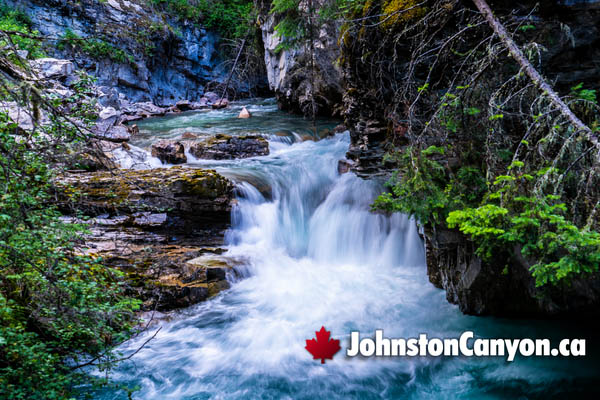
Johnston Canyon is one of the most accessible and rewarding winter hikes in Banff National Park. The maintained trail, dramatic frozen waterfalls, unique cliffside walkways, and peaceful winter atmosphere make January one of the finest months to experience this iconic Canadian Rockies destination.
Johnston Canyon During January

Johnston Canyon During January

January is one of the best times to visit Johnston Canyon, as the entire canyon transforms into a spectacular winter landscape. Snow-covered cliffs, frozen waterfalls, and towering blue ice formations create an unforgettable experience that is completely different from the summer season. The combination of rushing water beneath thick ice and the quiet beauty of the surrounding forest makes it one of Banff National Park's most popular winter destinations.

The trail to the Lower Falls and Upper Falls remains open throughout the winter and is well-traveled by visitors. The canyon's famous catwalks, which are built directly into the limestone cliffs, provide incredible views of frozen waterfalls, ice-covered canyon walls, and the creek flowing beneath the ice. Every bend in the trail reveals new frozen formations that change throughout the season.

The Lower Falls are especially impressive in January, with massive columns of blue and white ice surrounding the flowing waterfall. At the Upper Falls, enormous frozen curtains of ice often reach from the top of the canyon to the creek below, creating one of the most photographed winter scenes in the Canadian Rockies.

Many visitors continue beyond the Upper Falls toward the Ink Pots. This section of the trail is quieter and passes through beautiful snow-covered forests and open meadows. Depending on snow conditions and recent weather, the route may be more challenging than the canyon section, but it rewards hikers with peaceful winter scenery and fewer crowds.

Traction devices such as ice cleats or microspikes are strongly recommended during January. The trail can become icy, particularly on shaded sections, bridges, and the elevated catwalks. Waterproof winter boots, warm layered clothing, hats, gloves, and insulated outerwear will make the hike much more comfortable.

January is also an excellent time for photography. Fresh snow, frozen waterfalls, and soft winter light create spectacular images throughout the canyon. Early mornings often provide the quietest experience, while sunny afternoons can illuminate the blue ice formations with remarkable colour and detail.

Wildlife is occasionally seen along the trail during winter. Elk, deer, coyotes, foxes, squirrels, ravens, gray jays, and woodpeckers are among the species that remain active in the area. Although bears are generally hibernating during January, visitors should still stay aware of their surroundings and respect all wildlife.

Johnston Canyon is one of the most accessible and rewarding winter hikes in Banff National Park. The maintained trail, dramatic frozen waterfalls, unique cliffside walkways, and peaceful winter atmosphere make January one of the finest months to experience this iconic Canadian Rockies destination. Johnston Canyon

Lake Louise in January

Although daylight hours are shorter in January, the peaceful atmosphere more than makes up for it. With fewer visitors than during the peak summer season, Lake Louise offers a quieter and more relaxing experience. Whether you're skating on the frozen lake, hiking snowy trails, enjoying the mountain views, or simply taking in the winter scenery, January is one of the most unforgettable times to visit this world-famous destination.

Lake Louise in January

Lake Louise in January

January is one of the most magical times to visit Lake Louise. The famous turquoise lake is transformed into a frozen expanse surrounded by snow-covered peaks, creating one of the most iconic winter landscapes in the Canadian Rockies. Towering mountains, frosted forests, and the historic lakeside setting combine to create a true winter wonderland.

One of the highlights of visiting Lake Louise in January is walking onto the frozen lake. When conditions are safe, visitors can stroll across the ice, enjoy panoramic mountain views, and experience the vast frozen landscape from a unique perspective. Snow-covered walking paths and maintained trails around the lakeshore provide plenty of opportunities to explore the area.

Lake Louise is also a major destination for winter recreation. The frozen lake often becomes a natural skating rink, offering one of the most scenic skating experiences in the world. Snowshoeing, cross-country skiing, winter hiking, and horse-drawn sleigh rides are also popular activities, while the nearby Lake Louise Ski Resort provides excellent downhill skiing and snowboarding.

The Fairmont Chateau Lake Louise overlooks the frozen lake and provides a warm place to relax after spending time outdoors. Visitors can enjoy restaurants, cafés, and comfortable indoor seating while taking in spectacular mountain views through large windows. Many travelers combine outdoor adventures with a leisurely meal or hot drink overlooking the lake.

January is an outstanding month for photography. Fresh snowfall blankets the surrounding landscape, while the frozen lake and dramatic peaks create stunning compositions throughout the day. Sunrise and sunset often paint the mountains with soft pink, orange, and golden light, making early morning and late afternoon especially rewarding for photographers.

Wildlife remains active around Lake Louise during winter. Elk, deer, coyotes, foxes, and a variety of birds are commonly seen in the surrounding forests and valleys. While bears spend most of January in hibernation, visitors should continue to respect wildlife and observe animals from a safe distance.

Temperatures can be extremely cold, particularly during mornings and evenings. Dressing in warm layers, an insulated winter jacket, waterproof boots, hats, gloves, and a scarf is essential for staying comfortable while exploring the area. Snow and ice are common on pathways, so footwear with good traction is highly recommended.

Although daylight hours are shorter in January, the peaceful atmosphere more than makes up for it. With fewer visitors than during the peak summer season, Lake Louise offers a quieter and more relaxing experience. Whether you're skating on the frozen lake, hiking snowy trails, enjoying the mountain views, or simply taking in the winter scenery, January is one of the most unforgettable times to visit this world-famous destination. Banff Lake Louise

Moraine Lake in January

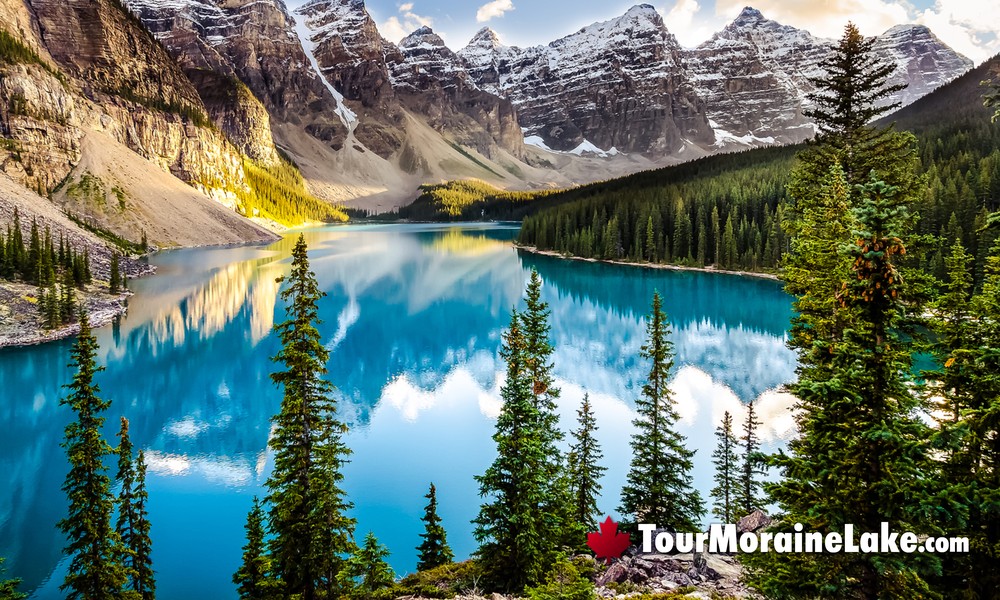
Although Moraine Lake is not accessible for a typical sightseeing visit in January, the seasonal closure helps preserve one of Canada's most iconic landscapes during the harshest months of winter. For most travelers, enjoying nearby winter attractions while saving Moraine Lake for a summer or autumn visit provides the best opportunity to experience its famous turquoise waters and the spectacular Valley of the Ten Peaks.
Moraine Lake in January

Moraine Lake in January

January offers a very different experience at Moraine Lake than during the summer months. The road to the lake is closed throughout the winter due to heavy snowfall and avalanche danger, making the lake inaccessible by vehicle. Unlike the summer season, when shuttle buses bring thousands of visitors each day, January transforms the Valley of the Ten Peaks into a quiet, snow-covered wilderness.

Although the lake itself cannot be reached by regular sightseeing traffic, the surrounding mountains remain buried beneath deep snow, creating one of the most dramatic winter landscapes in Banff National Park. The frozen lake and towering peaks are left almost entirely undisturbed, allowing nature to reclaim the valley during the winter months.

For experienced winter recreation enthusiasts, the Moraine Lake Road is sometimes used for activities such as cross-country skiing or fat biking when conditions are suitable. However, anyone venturing beyond the lower sections must be aware that the area is subject to significant avalanche risk. Proper avalanche training, safety equipment, and knowledge of current conditions are essential before traveling into the backcountry.

Most visitors hoping to experience the beauty of the Canadian Rockies in January choose accessible destinations such as Lake Louise, Johnston Canyon, Bow Lake, or the Icefields Parkway. These locations offer spectacular winter scenery without the challenges associated with reaching Moraine Lake during the winter closure.

Wildlife remains active throughout the surrounding forests during January. Elk, deer, coyotes, foxes, and a variety of winter birds may be seen in the region, while bears spend most of the winter in hibernation. Animal tracks in the snow often reveal the presence of wildlife even when the animals themselves remain hidden.

Winter temperatures in the Moraine Lake area are extremely cold, with deep snow and rapidly changing mountain weather common throughout January. Visitors exploring nearby areas should dress in insulated layers, waterproof winter boots, hats, gloves, and windproof outer clothing to stay comfortable in the alpine environment.

Although Moraine Lake is not accessible for a typical sightseeing visit in January, the seasonal closure helps preserve one of Canada's most iconic landscapes during the harshest months of winter. For most travelers, enjoying nearby winter attractions while saving Moraine Lake for a summer or autumn visit provides the best opportunity to experience its famous turquoise waters and the spectacular Valley of the Ten Peaks. Moraine Lake

January at Peyto Lake

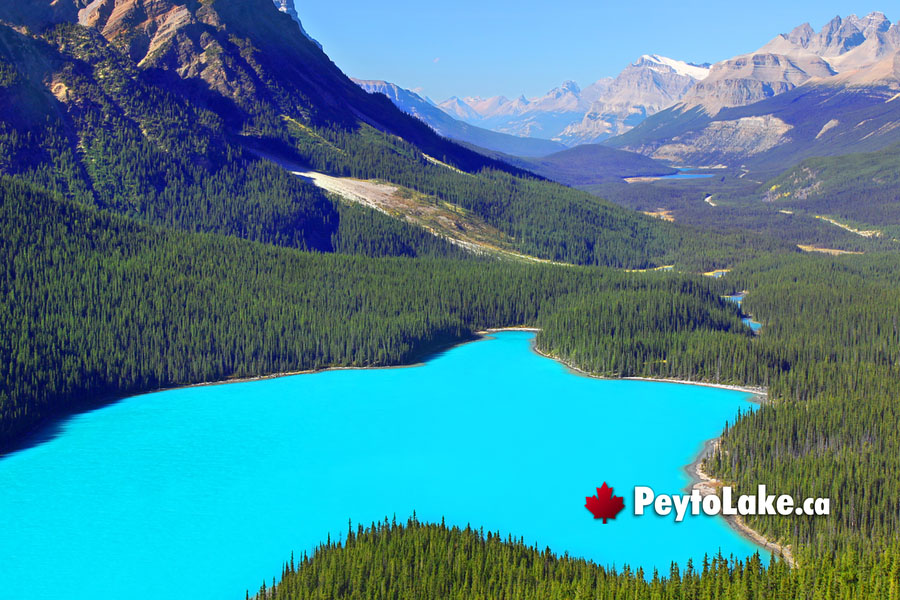
Although Peyto Lake looks very different in January than it does during the summer, its frozen landscape offers an equally unforgettable experience. The combination of snow-covered mountains, peaceful surroundings, crisp winter air, and panoramic viewpoints makes it one of the most rewarding winter stops along the Icefields Parkway.
January at Peyto Lake

January at Peyto Lake

January is one of the most beautiful times to visit Peyto Lake, as the famous wolf-shaped lake is completely frozen and surrounded by a blanket of fresh snow. The sweeping views from the main lookout showcase an incredible winter landscape, with endless mountain peaks stretching across the horizon and the frozen lake blending seamlessly into the snowy valley below.

Although the brilliant turquoise water that Peyto Lake is famous for is hidden beneath thick ice and snow, the winter scenery is equally impressive. Frost-covered evergreen forests, rugged mountain ridges, and untouched snow create a peaceful alpine setting that feels far removed from the busy summer season.

The main viewpoint is generally accessible throughout the winter, although visitors should be prepared for snow-covered and potentially icy pathways. The short walk from the parking area to the viewing platform is manageable for most visitors, but winter boots with good traction or ice cleats are recommended to help navigate slippery sections safely.

January is one of the quietest times to visit Peyto Lake. The large summer crowds are gone, allowing visitors to enjoy the spectacular viewpoint in relative peace. The silence of the surrounding wilderness adds to the experience, making it an excellent destination for those seeking solitude and natural beauty.

Photography conditions are outstanding during January. Fresh snow highlights the dramatic contours of the mountains, while clear winter skies often provide exceptional visibility across the Canadian Rockies. Early morning and late afternoon offer soft golden light that illuminates the snow-covered peaks and creates stunning contrast throughout the landscape.

Wildlife is occasionally seen in the area during winter. Bighorn sheep, mountain goats, deer, coyotes, foxes, and a variety of winter birds may be spotted along the Icefields Parkway or on nearby mountain slopes. The snowy surroundings often make wildlife easier to observe than during the summer months.

January weather at Peyto Lake is typically very cold, with temperatures frequently well below freezing. Strong winds are common at the exposed viewpoint, making it feel even colder. Warm layered clothing, an insulated jacket, hat, gloves, and waterproof winter boots are essential for a comfortable visit.

Road conditions along the Icefields Parkway can change quickly during the winter season. Snow, ice, and reduced visibility are common after storms, so visitors should travel with winter tires, allow extra driving time, and carry emergency supplies when exploring this remote section of the highway.

Although Peyto Lake looks very different in January than it does during the summer, its frozen landscape offers an equally unforgettable experience. The combination of snow-covered mountains, peaceful surroundings, crisp winter air, and panoramic viewpoints makes it one of the most rewarding winter stops along the Icefields Parkway. Peyto Lake

Spirit Island During January

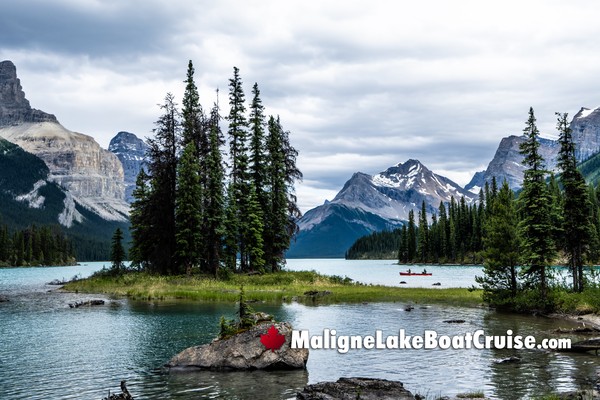
While Spirit Island itself cannot be visited during January, the Maligne Lake area remains one of Jasper National Park's most scenic winter destinations. The peaceful atmosphere, dramatic mountain scenery, abundant wildlife, and pristine snow-covered landscapes provide an unforgettable Canadian Rockies winter experience, even without reaching the island itself.
Spirit Island During January

Spirit Island During January

Spirit Island is not accessible during January because Maligne Lake is frozen and the Maligne Lake Boat Cruise does not operate throughout the winter. Since the island can only be reached by boat during the operating season, visitors cannot travel to Spirit Island during January.

Although the island is inaccessible, the surrounding Maligne Lake area is transformed into a spectacular winter landscape. The frozen lake stretches beneath the snow-covered Queen Elizabeth Ranges, creating a peaceful wilderness scene that is dramatically different from the vibrant summer months. Dense evergreen forests, snow-covered shorelines, and towering mountain peaks surround the lake, offering breathtaking views from the day-use area.

The famous viewpoint overlooking Spirit Island remains hidden deep within the frozen lake, several kilometres from the shoreline. During winter, the entire area becomes a remote backcountry environment with deep snow, unpredictable ice conditions, and significant avalanche hazards in surrounding terrain. It is not considered a typical winter sightseeing destination.

The drive to Maligne Lake is often the highlight of a January visit. Snow-covered forests, frozen streams, and spectacular mountain scenery line Maligne Lake Road, while wildlife such as elk, deer, moose, coyotes, foxes, wolves, and bighorn sheep are occasionally seen along the route. The quiet winter atmosphere makes the journey especially memorable.

Photography opportunities around Maligne Lake remain outstanding throughout January. The frozen shoreline, snow-covered peaks, frosted trees, and brilliant winter skies create beautiful compositions, particularly during sunrise and sunset when soft light illuminates the surrounding mountains.

January temperatures at Maligne Lake are typically well below freezing, and weather conditions can change quickly. Warm insulated clothing, waterproof winter boots, hats, gloves, and layered clothing are essential for anyone spending time outdoors. Snow and ice are common throughout the area, making careful footing and winter driving preparation important.

While Spirit Island itself cannot be visited during January, the Maligne Lake area remains one of Jasper National Park's most scenic winter destinations. The peaceful atmosphere, dramatic mountain scenery, abundant wildlife, and pristine snow-covered landscapes provide an unforgettable Canadian Rockies winter experience, even without reaching the island itself. Spirit Island

Sunwapta Falls in January

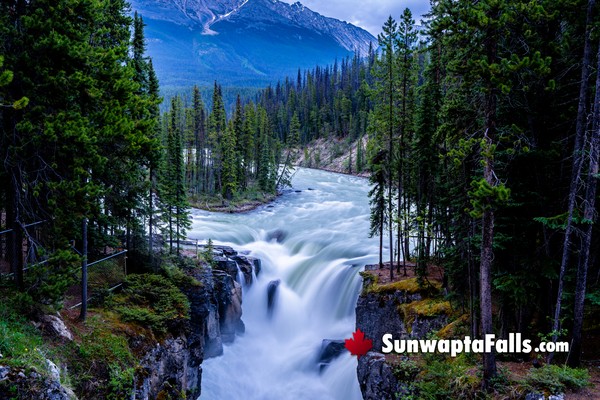
Sunwapta Falls remains one of the highlights of the Icefields Parkway in January. Although the surrounding landscape is frozen, the waterfall's year-round flow and impressive winter ice formations make it one of the Canadian Rockies' most striking and rewarding winter destinations.
Sunwapta Falls in January

Sunwapta Falls in January

January is one of the most dramatic times to visit Sunwapta Falls, as the powerful waterfall becomes surrounded by massive ice formations while the Sunwapta River continues to flow beneath layers of snow and ice. The combination of moving water, frozen spray, and snow-covered cliffs creates a breathtaking winter landscape along the Icefields Parkway.

Unlike many smaller waterfalls that freeze almost completely, Sunwapta Falls remains active throughout the winter. Water continues rushing through the narrow canyon, while thick curtains of ice form along the rock walls and enormous icicles hang over the gorge. The result is a striking contrast between the power of the river and the stillness of the frozen surroundings.

The main viewing area provides excellent views of the falls during January, allowing visitors to admire the frozen canyon without a long hike. Snow-covered evergreen trees frame the waterfall, while the surrounding mountain scenery adds to the beauty of the location. After fresh snowfall, the area takes on the appearance of a true winter wonderland.

January is also one of the quietest times to visit Sunwapta Falls. With far fewer travelers on the Icefields Parkway than during the summer, visitors can often enjoy the viewpoints in peaceful surroundings. The sound of rushing water echoing beneath the frozen ice creates a memorable winter experience.

Walking surfaces near the falls can be extremely icy. Snow-covered pathways, frozen viewpoints, and slippery sections require caution, and winter boots with good traction or ice cleats are highly recommended. Visitors should remain behind safety barriers and avoid venturing onto icy rocks or near the canyon edge.

Wildlife is occasionally seen throughout the Sunwapta Valley during winter. Bighorn sheep, mountain goats, elk, deer, coyotes, foxes, wolves, and various winter birds may be spotted along the Icefields Parkway, especially during the quieter morning and late afternoon hours.

Winter weather can be severe, with temperatures well below freezing and strong winds common throughout January. Warm layered clothing, insulated outerwear, waterproof boots, hats, and gloves are essential for staying comfortable while exploring the area.

For photographers, January offers exceptional opportunities to capture Sunwapta Falls at its most dramatic. Towering ice formations, snow-covered trees, and the contrast between flowing water and frozen cliffs create spectacular images, particularly during the soft light of early morning or late afternoon.

Sunwapta Falls remains one of the highlights of the Icefields Parkway in January. Although the surrounding landscape is frozen, the waterfall's year-round flow and impressive winter ice formations make it one of the Canadian Rockies' most striking and rewarding winter destinations. Sunwapta Falls

Banff, Alberta Map

Banff National Park

Contact Banff January.com

Click to Contact Us